
The History of the Battle of Suoi Tre
Vietnam 1967
History of the Battle of Suoi Tre (March 21, 1967)
A Detailed Account of One of the
Most Significant Engagements of the Vietnam War
Overview of the Battle
The Battle of Suoi Tre, fought on March 21, 1967, was one of the fiercest engagements of the Vietnam War, taking place in Tay Ninh Province near the Cambodian border. As part of Operation Junction City, the largest U.S. airborne operation since World War II, American forces established Fire Support Base Gold to cut off Viet Cong networks and disrupt enemy command centers in War Zone C.
What began as a routine defensive mission quickly escalated into a massive, coordinated attack by over 1,200 Viet Cong (VC) and North Vietnamese Army (NVA) soldiers against a smaller but determined U.S. force. Despite being heavily outnumbered, American troops held their ground—with extraordinary courage, discipline, and unity.
Units Involved in the Battle
The defense of Fire Support Base Gold brought together soldiers from several U.S. Army units, many of whom would later receive the Presidential Unit Citation for their extraordinary heroism under fire. Key units included:
Infantry and Airborne Units
-
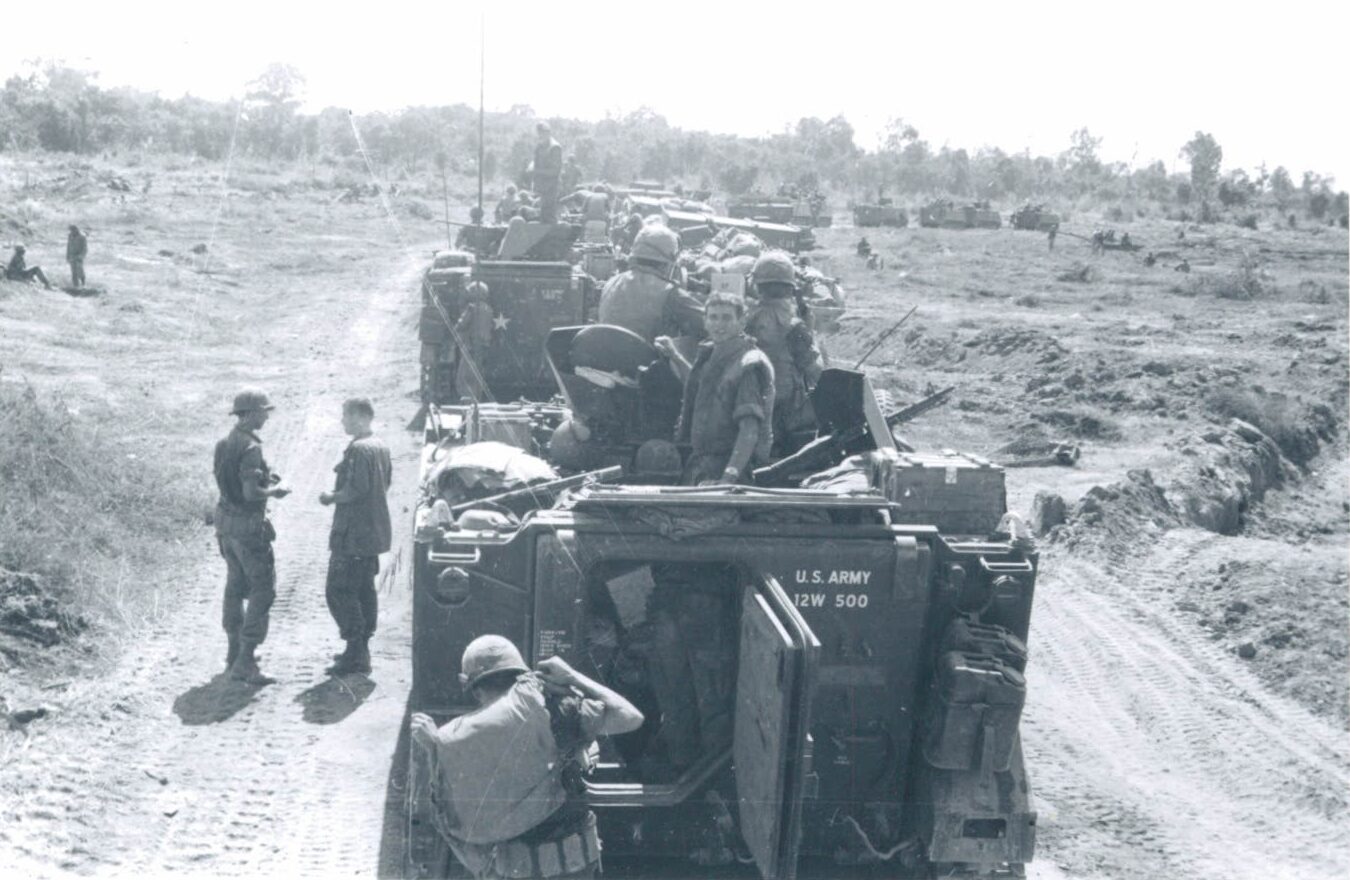
2nd Battalion, 22nd Infantry Regiment (Mechanized), 25th Infantry Division
-
3rd Battalion, 22nd Infantry Regiment, 25th Infantry Division
-
2nd Battalion, 12th Infantry Regiment, 25th Infantry Division
Artillery Units
-
3rd Battalion, 22nd Artillery
-
2nd Battalion, 77th Artillery
-
Battery C, 3rd Battalion, 13th Field Artillery
Support & Cavalry
-
Troop C, 3rd Squadron, 4th Cavalry Regiment
-
Engineers, medics, and forward observers embedded within FSB Gold
These combined units formed an improvised but remarkably effective defensive perimeter, proving decisive in the outcome of the battle.
The Enemy Attack and Intense Close-Quarters Combat
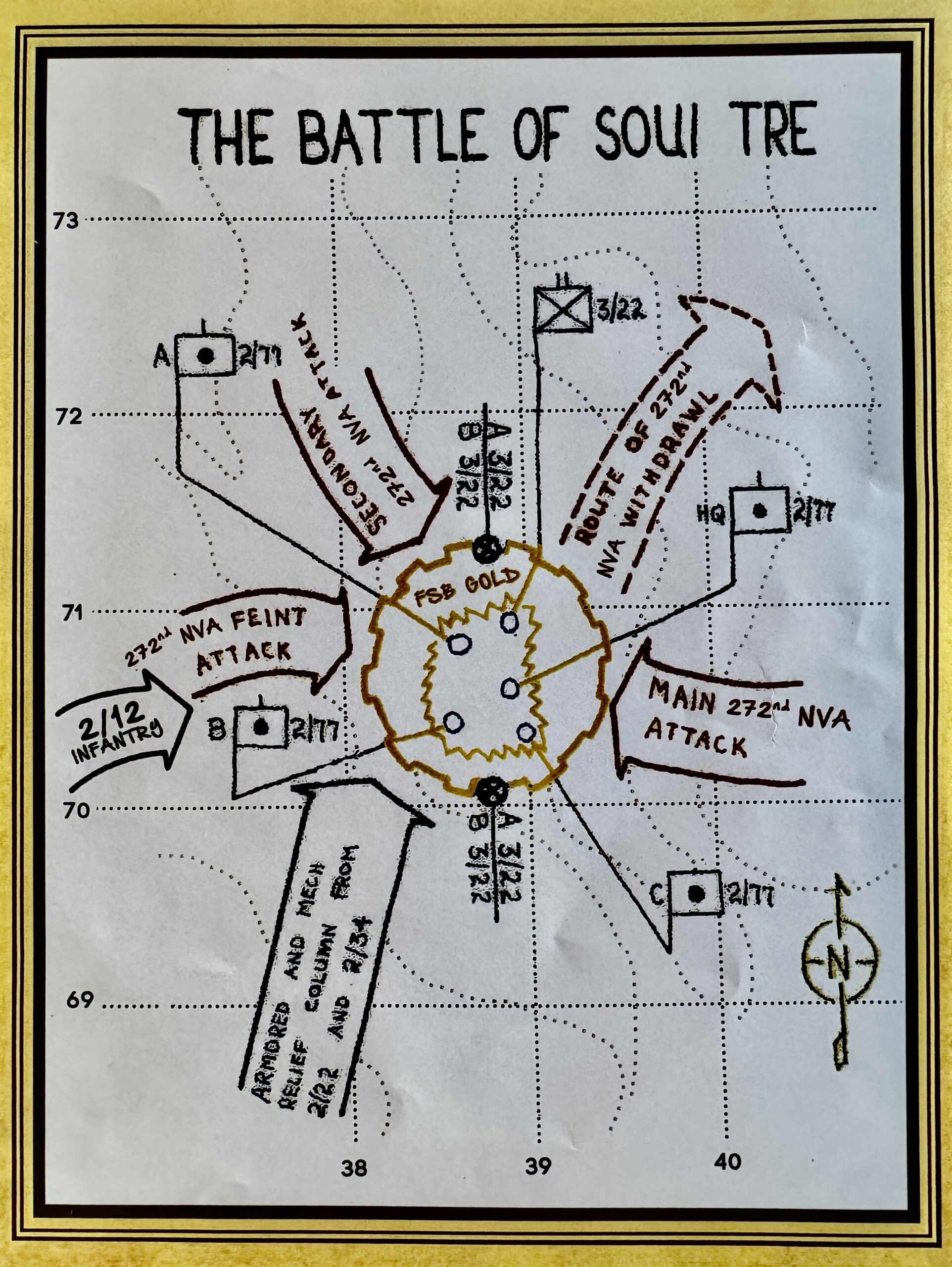
Before dawn, U.S. soldiers noticed movement beyond the perimeter. At 6:30 AM, the base came under heavy mortar and rocket fire, followed by a mass ground assault by coordinated Viet Cong battalions.
The enemy breached sections of the wire, resulting in close-quarters combat described by survivors as some of the most intense fighting of the war.
Key Events During the Assault
-
Initial bombardment disabled communication lines and damaged artillery positions.
-
VC forces penetrated the eastern and northeastern perimeter, forcing hand-to-hand fighting.
-
U.S. artillery units fired over open sights, using direct fire to push back attackers.
-
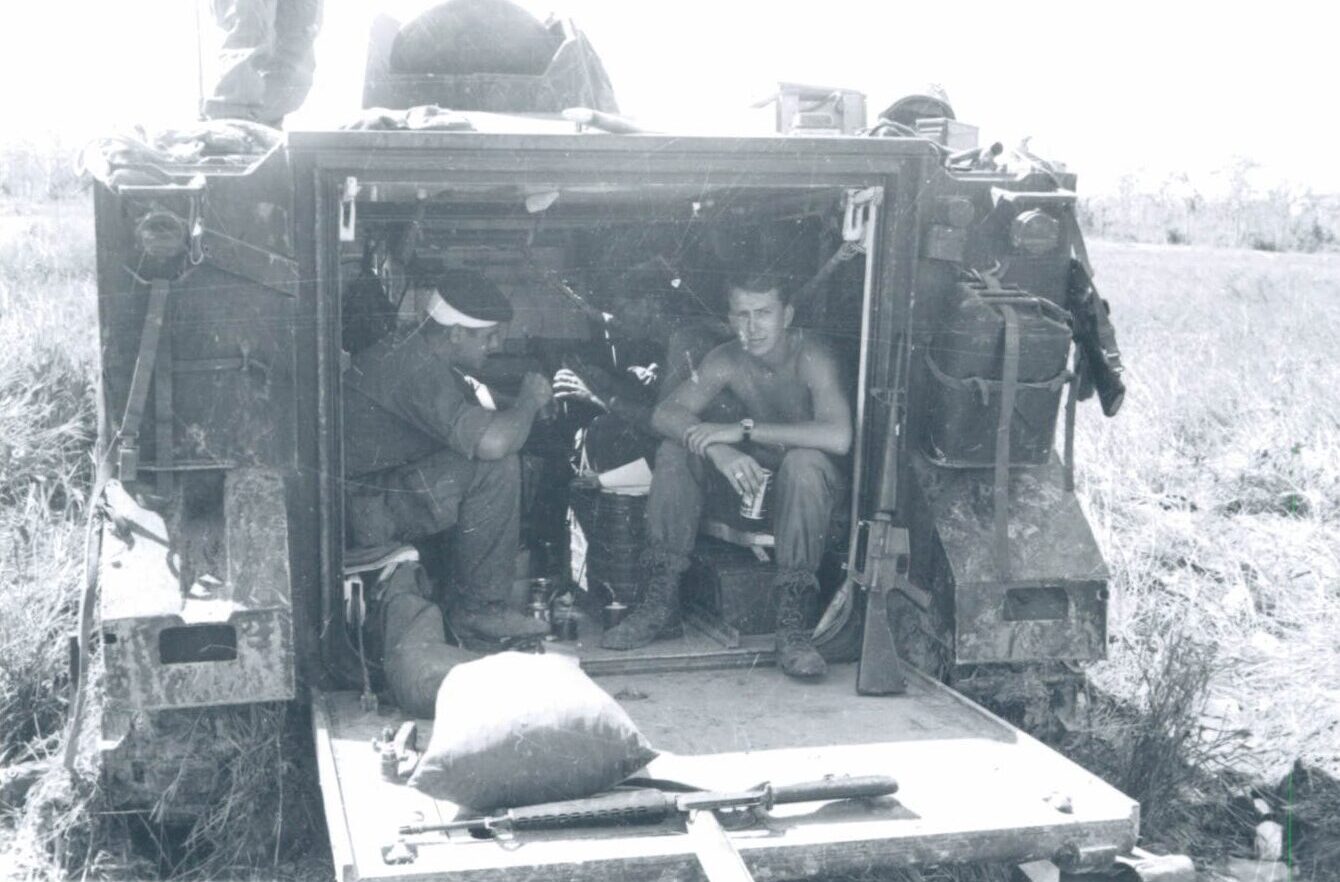
Mechanized infantry reinforcements from nearby patrols broke through and counterattacked, sealing gaps in the defensive line.
-
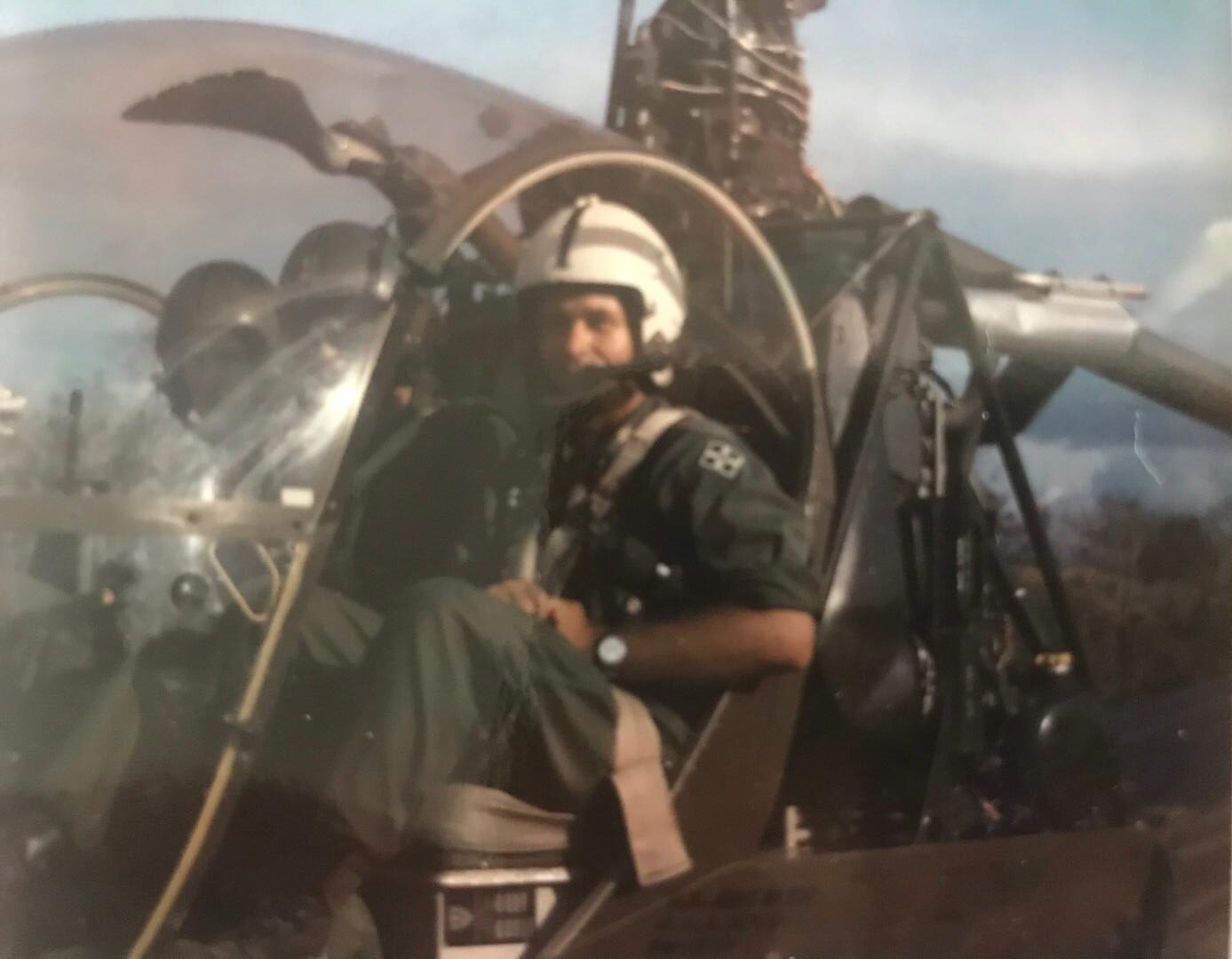
Helicopter gunships provided crucial aerial support despite heavy ground fire.
By late morning, the U.S. perimeter had held. More than 650 enemy combatants were killed, while American forces suffered significantly fewer casualties—an extraordinary testament to training, teamwork, and sheer determination.
Why the Battle of Suoi Tre Was So Significant
The Battle of Suoi Tre stands out as one of the most dramatic examples of U.S. forces successfully defeating a much larger enemy force during the Vietnam War. Its significance can be summarized in several key areas:
Strategic Importance
-
Protected the integrity of Operation Junction City, one of the largest operations of the war.
-
Disrupted Viet Cong regiments attempting to break U.S. lines near the Cambodian border.
-
Demonstrated the effectiveness of combined artillery, mechanized infantry, and air support.
Tactical Achievements
-
U.S. forces withstood a surprise attack that reached inside their perimeter.
-
Artillery crews executed heroic defensive firing missions even as enemy forces overran positions.
-
Demonstrated exceptional coordination between infantry, armor, aviation, and artillery.
Historical Impact
-
Considered one of the most decisive U.S. defensive victories of the Vietnam War.
-
The extraordinary valor displayed that day shaped how future fire support bases were defended.
Presidential Unit Citation
In recognition of the extraordinary heroism displayed during the battle, several participating units were awarded the Presidential Unit Citation (PUC) on October 21, 1968.
This is the highest unit-level award the U.S. military can bestow, recognizing actions of such bravery and effectiveness that they rival those worthy of an individual Distinguished Service Cross.
Awarded For:
-
“Extraordinary heroism against an armed enemy”
-
Maintaining defensive positions despite being outnumbered and under direct assault
-
Demonstrating unmatched bravery, discipline, and teamwork under the most extreme conditions
The Presidential Unit Citation forever honors the courage of the soldiers who fought and defended Fire Support Base Gold.
Awarded the Presidential Unit Citation
President Lyndon B. Johnson awarded the 3rd Brigade, 4th Infantry Division, and the attached and assigned units the Presidential Unit Citation.
- 3rd Brigade, 4th ID
- 2-12 Infantry
- 2-22 Infantry
- 3-22 Infantry
- 2-34th Armor
- 2-77 Field Artillery
They distinguished themselves by extraordinary heroism and performance of duty during a massive Viet Cong attack on Fire Support Base Gold, near Suoi Tre, Republic of Viet Nam on March 21st, 1967.
Today, the Battle of Suoi Tre remains a defining moment for the veterans who fought there. Survivors remember the brotherhood, sacrifice, and determination that allowed them to stand against overwhelming odds.
This website, BattleofSuoiTre.org, ensures that their stories, valor, and legacy live on for future generations—keeping alive the memory of a battle that shaped the history of the Vietnam War.
Never forget.
Never again.